OneWorldPlate Daniel Croteau: The Complete 2026 Guide to Global Food Culture, Culinary Innovation, and Sustainable Dining

Introduction
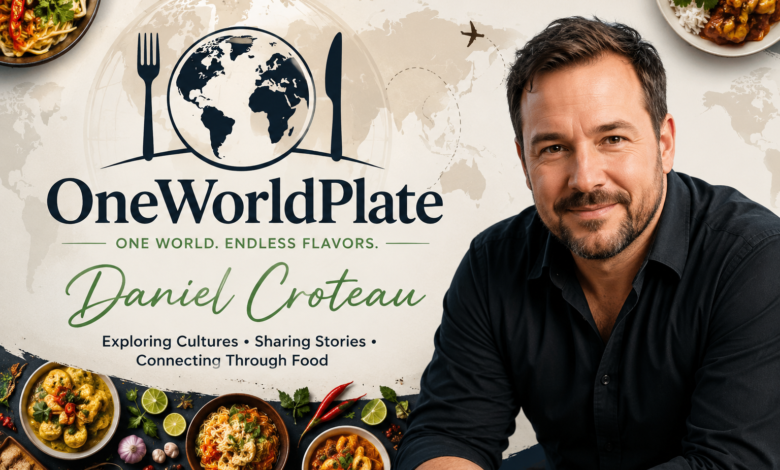
OneWorldPlate Daniel Croteau has become a topic of interest among readers looking for information about global food culture, culinary storytelling, and sustainable dining practices. The phrase is associated with exploring how food brings people together across cultures while promoting responsible eating habits and appreciation for authentic cuisine. Whether you are searching to understand the background behind OneWorldPlate Daniel Croteau or simply want to learn more about international food traditions, this guide provides a detailed overview with practical insights.
Food is much more than a daily necessity. It reflects history, traditions, local ingredients, and the identity of communities around the world. Every meal tells a story, and understanding these stories helps people appreciate cultural diversity while encouraging responsible travel and sustainable food choices.
What Is OneWorldPlate Daniel Croteau?
The keyword OneWorldPlate Daniel Croteau is commonly associated with discussions surrounding global cuisine, food education, and cultural exchange. Rather than focusing on a single recipe or destination, it represents a broader perspective on how international food traditions connect people from different backgrounds.
The concept highlights several important themes:
- Global culinary exploration
- Traditional cooking techniques
- Sustainable food systems
- Cultural appreciation
- Ethical sourcing of ingredients
- Community-based dining experiences
- Food storytelling
These ideas continue to attract food lovers, travelers, and individuals interested in learning about authentic culinary traditions.
Why OneWorldPlate Daniel Croteau Is Gaining Attention
Interest in OneWorldPlate Daniel Croteau continues to grow because people increasingly value authentic experiences over commercial tourism. Travelers today want to discover local markets, family-owned restaurants, and regional specialties instead of relying solely on mainstream attractions.
The growing popularity of sustainable travel has also encouraged more people to understand where their food comes from and how it supports local communities. This shift has made food culture an essential part of modern travel experiences.
The Importance of Food in Cultural Exchange
Food serves as one of the most effective ways to understand different cultures. Every traditional dish reflects the geography, climate, agriculture, and history of a region.
Learning about international cuisine allows people to:
- Understand local traditions
- Respect cultural diversity
- Preserve historical recipes
- Support regional farmers
- Experience authentic flavors
- Build stronger cultural connections
Sharing meals has always been an important part of bringing communities together, regardless of language or nationality.
Sustainable Dining Practices
One of the central ideas connected with OneWorldPlate Daniel Croteau is responsible food consumption. Sustainable dining benefits both local communities and the environment.
Practical ways to eat sustainably include:
Buy Seasonal Produce
Seasonal fruits and vegetables require fewer resources to produce and usually offer better flavor.
Support Local Businesses
Choosing family-owned restaurants helps strengthen local economies while preserving traditional recipes.
Reduce Food Waste
Ordering appropriate portion sizes and using leftovers effectively can significantly reduce unnecessary waste.
Choose Ethical Ingredients
Many restaurants now focus on responsibly sourced seafood, free-range meat, and organic produce.
Traditional Ingredients Around the World
Every region has signature ingredients that define its cuisine.
Mediterranean Cuisine
Common ingredients include:
- Olive oil
- Tomatoes
- Garlic
- Fresh herbs
- Seafood
- Citrus fruits
These ingredients create simple yet flavorful dishes that have influenced cooking around the world.
Asian Cuisine
Across Asia, traditional ingredients include:
- Rice
- Soy sauce
- Ginger
- Sesame oil
- Green onions
- Fresh vegetables
These staples form the foundation of countless regional recipes.
South Asian Cuisine
Popular ingredients include:
- Turmeric
- Cardamom
- Cumin
- Lentils
- Coriander
- Chili peppers
The careful use of spices creates distinctive flavors that vary from one region to another.
Latin American Cuisine
Traditional dishes often feature:
- Corn
- Beans
- Avocados
- Cocoa
- Fresh herbs
- Tropical fruits
These ingredients reflect centuries of agricultural traditions.
Community Dining Around the World
In many cultures, meals are about much more than eating.
Community dining often includes:
- Family gatherings
- Religious celebrations
- Cultural festivals
- Charity events
- Local food markets
- Cooking workshops
These experiences help preserve traditions while strengthening relationships between generations.
Responsible Food Tourism
Modern travelers increasingly seek authentic culinary experiences.
To enjoy food responsibly while traveling:
- Visit local farmers’ markets.
- Eat at independently owned restaurants.
- Learn local dining customs.
- Respect cultural traditions.
- Avoid unnecessary food waste.
- Purchase locally produced ingredients.
These small decisions help create meaningful travel experiences while supporting local businesses.
Culinary Experiences in London During Summer 2026
London remains one of the world’s most diverse food destinations. During Summer 2026, visitors can combine international cuisine with world-famous attractions.
Popular areas include:
Borough Market
Known for artisan food vendors, fresh produce, baked goods, and international street food.
Soho
Offers a wide selection of restaurants featuring cuisine from nearly every continent.
Covent Garden
Perfect for combining dinner with theatre performances.
South Bank
Riverside dining creates an enjoyable atmosphere during summer evenings.
Public transportation makes these locations easy to reach, while many restaurants recommend advance reservations during busy tourist seasons.
Museums and Food Experiences
Several London museums provide excellent cafés alongside cultural exhibits.
Popular destinations include:
- British Museum
- Victoria and Albert Museum
- Natural History Museum
- Science Museum
- Tate Modern
Many visitors enjoy combining museum visits with nearby restaurants serving local and international dishes.
Frequently Asked Questions
What is OneWorldPlate Daniel Croteau?
It is a search topic connected with global food culture, culinary education, and discussions about authentic international dining experiences.
Why is cultural food important?
Food helps preserve traditions, supports local communities, and introduces people to different ways of life.
How can travelers support sustainable dining?
Travelers can choose locally owned restaurants, purchase seasonal foods, reduce waste, and respect local customs.
Why are local markets recommended?
Markets provide authentic regional ingredients, traditional recipes, and opportunities to meet local producers.
Final Thoughts
OneWorldPlate Daniel Croteau represents the growing appreciation for global cuisine, cultural understanding, and sustainable dining. Exploring food traditions allows people to experience history, geography, and community through every meal. By supporting local businesses, respecting culinary heritage, and making responsible dining choices, travelers can enjoy richer experiences while contributing positively to the communities they visit.
Food has always connected people across cultures, and its ability to bring communities together remains as important today as ever. Whether you’re discovering a neighborhood café, tasting regional specialties, or learning traditional cooking techniques, every meal offers an opportunity to understand the world a little better.