Iconic Hollywood Fast Food: How Movies Turned Burgers, Fries, and Milkshakes into Legends

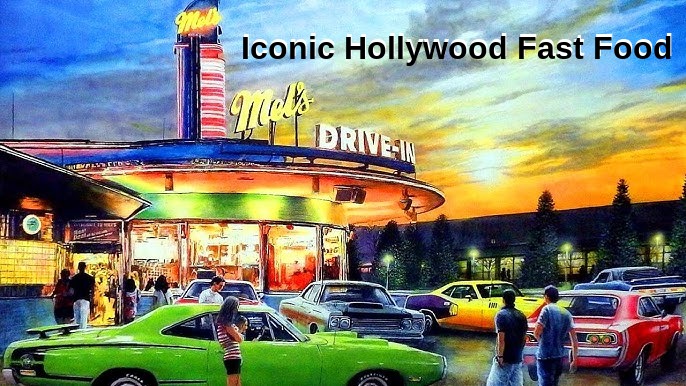
Hollywood has always had a special relationship with food, but nothing has left a bigger cultural footprint than Iconic Hollywood Fast Food. From greasy burgers eaten in neon-lit diners to milkshakes shared in emotional scenes, fast food has become a visual language of its own in movies. It’s not just background scenery anymore—it’s storytelling.
What makes Iconic Hollywood Fast Food so powerful is how effortlessly it blends into characters’ lives. Whether it’s a cop grabbing fries after a long shift or teenagers hanging out in a drive-thru, fast food feels real, relatable, and instantly familiar. Audiences don’t just watch these scenes—they taste them in their imagination.
Over the decades, Hollywood has transformed ordinary fast food into symbols of rebellion, comfort, love, and even danger. These meals became iconic not because they were fancy, but because they were human. That’s the magic behind Iconic Hollywood Fast Food, and it’s why it continues to dominate pop culture today.
The Birth of Iconic Hollywood Fast Food in Classic Cinema
The roots of Iconic Hollywood Fast Food can be traced back to classic American cinema, where diners and roadside burger joints became essential visual elements. Early Hollywood films often showcased fast food as a symbol of modern life, freedom, and post-war American optimism. These locations were affordable, accessible, and deeply American.
In many classic movies, fast food spots weren’t just places to eat—they were social hubs. Characters met lovers, argued with friends, and made life-changing decisions over burgers and coffee. These scenes helped establish fast food as emotionally meaningful rather than disposable, laying the groundwork for future Iconic Hollywood Fast Food moments.
As filmmaking evolved, directors realized that fast food settings could tell entire stories without dialogue. A half-eaten burger, a spilled soda, or a late-night diner booth could convey loneliness, rebellion, or ambition. This subtle storytelling technique elevated fast food into a cinematic tool, cementing its place in Hollywood history.
Burgers, Fries, and Fame: The Core of Iconic Hollywood Fast Food
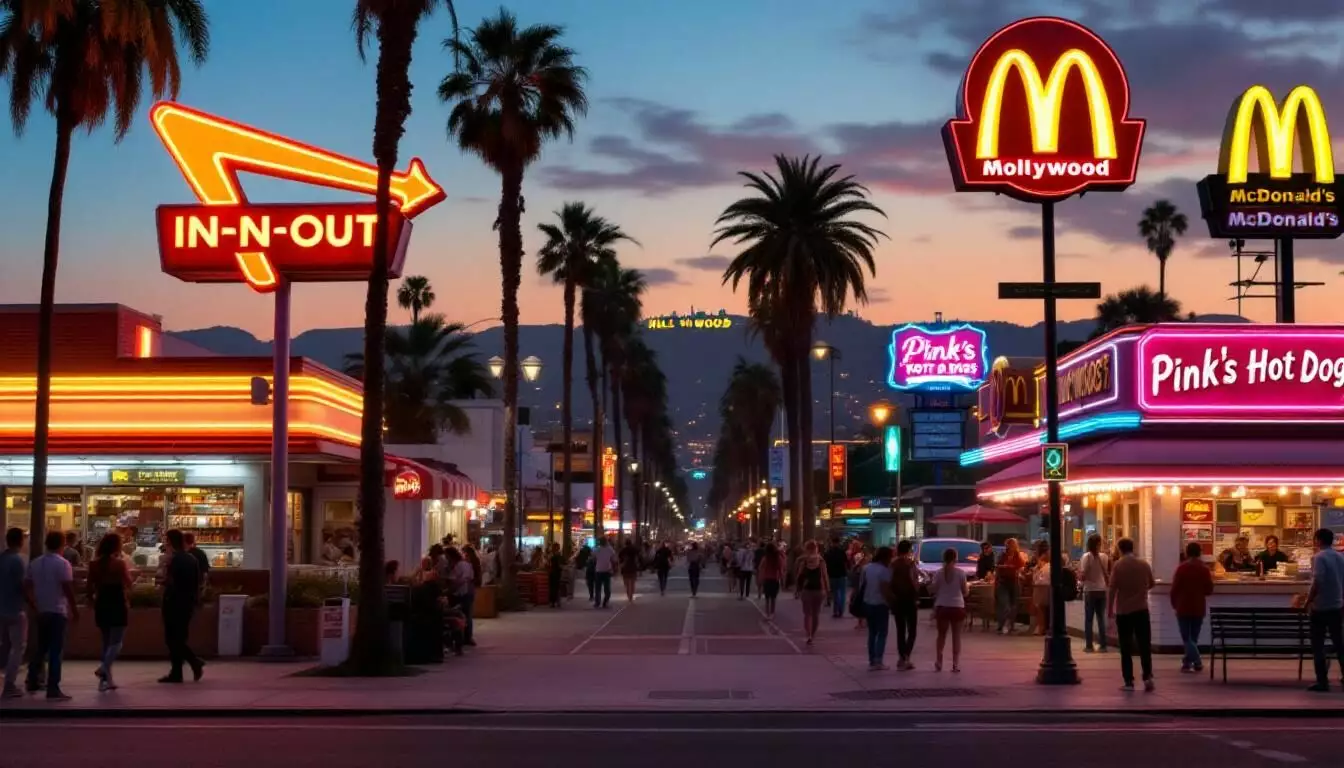
When people think of Iconic Hollywood Fast Food, burgers and fries usually come first—and for good reason. Burgers are visually appealing, universally understood, and easy to work into scenes naturally. Hollywood has used them to reflect character personalities, moods, and social class.
In countless films, the act of eating a burger becomes symbolic. A confident character eats boldly, while a nervous one barely touches their fries. These small details turn simple meals into storytelling devices. That’s why burgers remain the backbone of Iconic Hollywood Fast Food across genres.
Fries, milkshakes, and soda cups also play supporting roles that shouldn’t be overlooked. A shared milkshake can signal romance, while cold fries on a table can represent disappointment or loss. Hollywood understands the emotional weight of fast food, using it to deepen scenes without stealing the spotlight.
How Iconic Hollywood Fast Food Shapes Movie Characters
One of the most fascinating aspects of Iconic Hollywood Fast Food is how it defines characters. Heroes, villains, and side characters alike are often introduced or developed through fast food scenes. What a character eats—and how they eat it—reveals more than most monologues ever could.
Rebellious characters are often shown hanging out at late-night fast food joints, rejecting traditional norms. Meanwhile, grounded and relatable characters are frequently associated with familiar meals like cheeseburgers and fries. This connection makes audiences feel closer to them, strengthening emotional investment.
Even villains aren’t immune to Iconic Hollywood Fast Food. When a dangerous character casually eats fast food, it creates a chilling contrast. Hollywood uses this technique to humanize villains while simultaneously making them more unsettling. Fast food, in this way, becomes a powerful psychological tool.
Fast Food as a Cultural Symbol in Hollywood Storytelling
Beyond individual scenes, Iconic Hollywood Fast Food represents broader cultural themes. It often symbolizes freedom, youth, and the fast-paced American lifestyle. Drive-thrus, diners, and takeout bags become metaphors for movement, transition, and impermanence.
Hollywood frequently uses fast food to comment on society itself. A crowded fast food restaurant can represent urban chaos, while an empty diner at night can evoke isolation. These visual cues are instantly understood by audiences, making fast food an efficient storytelling shortcut.
In international cinema influenced by Hollywood, Iconic Hollywood Fast Food often appears as a symbol of American culture. Burgers and fries become shorthand for globalization, influence, and modernity. This global recognition further solidifies fast food’s iconic status in film history.
Why Iconic Hollywood Fast Food Still Dominates Modern Movies
Even in today’s era of streaming and high-budget CGI, Iconic Hollywood Fast Food remains just as relevant. Modern filmmakers continue to use fast food scenes because they feel authentic and timeless. Trends may change, but a burger and fries never go out of style.
Audiences today are more visually aware, yet fast food still resonates because it reflects real life. Whether it’s a superhero grabbing a quick bite or a drama unfolding in a diner booth, fast food keeps stories grounded. It reminds viewers that even extraordinary characters live ordinary moments.
Social media has also amplified the legacy of Iconic Hollywood Fast Food. Iconic scenes are shared, recreated, and referenced constantly, keeping them alive for new generations. The combination of nostalgia and relatability ensures that fast food will continue to be a cinematic staple.
The Lasting Legacy of Iconic Hollywood Fast Food
The influence of Iconic Hollywood Fast Food extends far beyond the screen. It shapes how people view fast food in real life, turning everyday meals into emotional experiences. Fans visit famous filming locations, recreate movie meals, and even associate specific foods with iconic scenes.
Hollywood didn’t just showcase fast food—it mythologized it. Ordinary burgers became legendary, and simple diners turned into cultural landmarks. This transformation is what makes Iconic Hollywood Fast Food more than a trend; it’s a permanent part of entertainment history.
As long as movies continue to tell human stories, fast food will remain relevant. It’s affordable, emotional, and universally understood. That’s why Iconic Hollywood Fast Food isn’t going anywhere—it’s already immortal.
Final Thoughts
Iconic Hollywood Fast Food is more than burgers, fries, and milkshakes. It’s a storytelling device, a cultural symbol, and a reflection of everyday life. Hollywood turned fast food into legend by understanding its emotional power.
From classic cinema to modern blockbusters, fast food continues to shape characters, scenes, and narratives. Its simplicity is its strength, and its familiarity is its magic.
In the end, Iconic Hollywood Fast Food proves that even the most ordinary things can become unforgettable when placed in the right story.
YOU MAY ALSO READ
University of Metaphysics vs University of Metaphysical Sciences