Wearable history is a fascinating journey that shows how humans have always used objects on their bodies for survival, status, communication, and self-expression. What we today call “wearables” did not begin with smartwatches or fitness trackers. Instead, they evolved over thousands of years, shaped by culture, technology, fashion, and necessity. Understanding wearable history helps us appreciate how deeply connected human innovation is to the human body itself.
From primitive tools tied around wrists to advanced AI-powered devices monitoring our health, wearables reflect how societies change over time. Each era brought new materials, ideas, and purposes, turning simple objects into meaningful symbols of progress. This article explores wearable history in depth, tracing its evolution across civilizations, industries, and technological revolutions.
Early Wearables in Ancient Civilizations
The earliest examples of wearable history can be traced back to ancient civilizations where people wore items not only for decoration but also for protection and identity. Ancient humans used animal skins, bones, shells, and stones as wearable items long before the concept of fashion existed. These wearables often served practical purposes such as warmth, camouflage, or spiritual protection.
In ancient Egypt, wearables took on a more refined form. Jewelry, amulets, and headdresses were worn to signify power, wealth, and divine connection. Materials like gold, lapis lazuli, and turquoise were commonly used, and certain wearables were believed to protect the wearer in both life and the afterlife. These items were carefully crafted and carried symbolic meanings tied to religion and social hierarchy.
Similarly, ancient civilizations in Mesopotamia, China, and the Indus Valley used wearables as markers of status and profession. Clothing styles, ornaments, and accessories communicated a person’s role in society. Even in these early stages, wearable history was already closely linked to communication and identity, a theme that continues to this day.
Wearable History in the Medieval and Renaissance Periods

During the medieval period, wearable history became deeply intertwined with class structure and tradition. Clothing and accessories were strictly regulated in many societies through sumptuary laws, which dictated who could wear certain fabrics, colors, or designs. Wearables during this time were powerful indicators of wealth and social rank.
Armor is one of the most iconic wearable innovations of the medieval era. Knights wore carefully designed metal armor that balanced protection with mobility. This was an early example of functional wearable technology, engineered to enhance human capability in battle. Helmets, gauntlets, and shields were customized to fit the wearer, reflecting an advanced understanding of ergonomics for the time.
The Renaissance period brought a shift toward aesthetics and self-expression. Wearables became more elaborate, with intricate embroidery, jewelry, and accessories such as gloves and hats. This era highlighted the blend of art and functionality in wearable history, setting the foundation for modern fashion and design principles.
The Industrial Revolution and Functional Wearables
The Industrial Revolution marked a major turning point in wearable history. With the rise of machinery and factory work, wearables became essential for safety and efficiency. Protective clothing such as gloves, boots, helmets, and uniforms emerged as necessary tools for laborers working in hazardous environments.
This period also introduced mass production, making wearables more accessible to the general population. Watches became popular during this time, evolving from pocket watches to wristwatches. Initially worn by women as decorative accessories, wristwatches eventually gained popularity among men, especially during wartime when hands-free timekeeping became crucial.
Uniforms also became standardized during this era, especially in military and industrial settings. These wearables were designed not just for appearance but for functionality and unity. The Industrial Revolution reshaped wearable history by emphasizing practicality, durability, and large-scale production.
Wearable Technology Before the Digital Age
Long before digital screens and sensors, wearable history already included technological innovation. One notable example is the abacus ring used in ancient China, which allowed merchants to perform calculations on the go. This early “computational wearable” highlights how humans have long sought portable tools integrated into daily life.
In the 19th and early 20th centuries, wearable devices like mechanical pedometers and hearing aids began to appear. These devices were often bulky and limited, but they represented important steps toward personal technology. Early hearing aids, for instance, were worn on the body and improved quality of life for many people.
Military wearables also advanced during this time. Aviator goggles, navigation tools, and communication headsets were developed to support soldiers and pilots. These innovations demonstrated how wearable history was increasingly shaped by technological needs rather than purely aesthetic considerations.
The Rise of Digital Wearables
The late 20th century marked the beginning of modern wearable history as digital technology entered the scene. The introduction of digital watches was a game-changer, offering features like alarms, calculators, and backlit displays. These devices combined fashion with functionality and quickly became mainstream.
In the 1980s and 1990s, wearable electronics expanded into fitness and health. Heart rate monitors and basic activity trackers were used by athletes and medical professionals. Although primitive by today’s standards, these devices laid the groundwork for the health-focused wearables we use today.
Personal music devices also played a role in wearable history. Portable cassette players and later MP3 players were worn on belts or arms, transforming how people experienced entertainment. This era highlighted the growing demand for personal, portable, and body-integrated technology.
Smart Wearables and the Modern Era
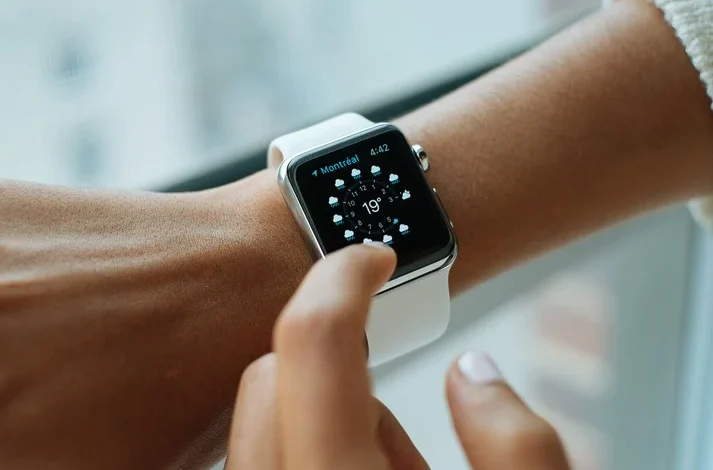
Modern wearable history is dominated by smart devices that seamlessly integrate into daily life. Smartwatches, fitness bands, and smart rings track steps, heart rate, sleep patterns, and even stress levels. These wearables collect real-time data and provide insights that help users make informed lifestyle choices.
One of the most significant aspects of modern wearables is their role in healthcare. Devices can monitor chronic conditions, detect irregular heart rhythms, and alert users to potential health issues. This has transformed wearables from convenience gadgets into life-saving tools.
Beyond health, wearables have expanded into fashion, entertainment, and productivity. Smart glasses, haptic suits, and augmented reality headsets are redefining how humans interact with digital environments. Today’s wearable history is characterized by personalization, connectivity, and constant innovation.
Cultural and Social Impact of Wearables
Wearable history is not just about technology; it is also about culture and society. Wearables influence how people present themselves and how they are perceived by others. Fashion wearables reflect trends, beliefs, and social movements, making them powerful tools of expression.
In many cultures, traditional wearables still hold deep significance. Items like turbans, bangles, necklaces, and ceremonial clothing are worn to honor heritage and identity. These wearables connect the past with the present, showing that history and modernity can coexist.
Social behavior has also changed due to modern wearables. Fitness challenges, health tracking, and social sharing have created new forms of interaction and motivation. Wearables now shape routines, habits, and even social connections, highlighting their growing influence on everyday life.
The Future of Wearable History
As wearable history continues to evolve, the future promises even deeper integration between humans and technology. Advances in artificial intelligence, biotechnology, and materials science are pushing the boundaries of what wearables can do. Smart fabrics, implantable devices, and brain-computer interfaces are already in development.
Future wearables are expected to be more discreet, more powerful, and more personalized. Instead of screens, users may interact through gestures, voice, or neural signals. Health monitoring could become continuous and predictive, allowing early detection of diseases before symptoms appear.
Despite these advancements, the core purpose of wearables remains unchanged: to enhance human life. From ancient amulets to intelligent devices, wearable history is a testament to humanity’s desire to innovate while staying deeply connected to the body.
Conclusion: Why Wearable History Matters
Wearable history tells a story of adaptation, creativity, and progress. It shows how humans have always sought ways to extend their abilities, express identity, and improve daily life through objects worn on the body. Each era contributed ideas that shaped the next, creating a continuous evolution rather than sudden change.
By understanding wearable history, we gain insight into how technology and culture influence each other. Wearables are not just tools; they are reflections of who we are and what we value. They carry stories of survival, status, health, and innovation.
As we move forward into an increasingly connected world, wearable history reminds us that the most impactful technologies are those that feel natural, personal, and human. And just like in the past, the future of wearables will be worn, lived, and experienced every day.