Understanding What Application Mobile DualMedia Really Means
The concept of Application Mobile DualMedia is becoming increasingly important in today’s app-driven world. At its core, it refers to a mobile application framework or system that integrates two different media formats or channels within a single mobile experience. These media types can include text, audio, video, images, live streaming, interactive graphics, or even real-time communication tools. Instead of relying on just one form of content delivery, DualMedia applications combine multiple media streams to create richer, more engaging user interactions.
From an expert perspective, DualMedia is not just about adding more content formats. It is about strategic media synchronization, where different media types support each other to deliver information more efficiently. For example, a mobile application might use video for demonstration while simultaneously offering text explanations and audio narration. This layered approach helps users understand content faster and retain information longer.
As mobile users become more demanding, simple single-media apps no longer meet expectations. Modern users want speed, clarity, and interaction. This is exactly where Application Mobile DualMedia shines. It bridges the gap between consumption and engagement, allowing users to interact with content rather than passively scrolling through it.
Why Application Mobile DualMedia Is Gaining Massive Popularity

The rise of Application Mobile DualMedia is not accidental. It is closely tied to how people now use their smartphones in daily life. Mobile devices are no longer just for calls or messages; they are entertainment hubs, learning platforms, productivity tools, and social connectors. A single-media app often fails to satisfy these diverse needs.
DualMedia applications respond to this shift by offering multi-layered communication. Users can watch a tutorial video while reading step-by-step instructions or listening to an explanation. This reduces confusion and minimizes the need to switch between apps. Convenience plays a huge role in why this approach is becoming the standard rather than the exception.
Another major reason behind the popularity of Application Mobile DualMedia is improved device capability. Modern smartphones can easily handle high-quality video, real-time audio processing, and dynamic graphics simultaneously. App developers now have the technical freedom to design complex media environments without compromising performance, which was a major limitation just a few years ago.
From a business standpoint, DualMedia also increases user retention. When users feel engaged and informed, they spend more time inside the app. This leads to higher satisfaction, better reviews, and stronger brand loyalty, making DualMedia a smart long-term strategy for app creators.
Core Features That Define an Application Mobile DualMedia Platform
Every successful Application Mobile DualMedia solution shares a set of core features that separate it from traditional mobile applications. One of the most important features is media synchronization. This ensures that audio, video, and text are aligned properly so users receive a smooth, unified experience rather than disjointed content.
Another defining feature is adaptive media delivery. DualMedia applications intelligently adjust content quality based on network speed and device performance. For instance, if a user has a slow internet connection, the app might lower video resolution while maintaining clear audio and readable text. This adaptability ensures usability across different environments.
User interaction is also central to DualMedia design. Many applications allow users to pause one media stream while continuing another, such as muting audio while reading captions or skipping video segments while listening to narration. This level of control empowers users and makes the application feel personalized rather than rigid.
Finally, a strong Application Mobile DualMedia system includes analytics and behavior tracking. By analyzing how users interact with different media types, developers can continuously refine content delivery. This data-driven approach helps apps evolve based on real user behavior instead of assumptions.
Real-World Use Cases of Application Mobile DualMedia
Application Mobile DualMedia is already being used across multiple industries, often without users even realizing it. In the education sector, DualMedia apps combine video lectures with downloadable notes, live audio discussions, and interactive quizzes. This approach mirrors real classroom experiences while offering the flexibility of mobile learning.
In entertainment, streaming platforms increasingly rely on DualMedia techniques. Behind-the-scenes clips, subtitles, audio commentary, and interactive features all coexist within the same application. This creates a more immersive viewing experience and allows users to engage with content on multiple levels.
Healthcare applications also benefit significantly from DualMedia integration. A medical app may include instructional videos for exercises, text-based health tips, and audio reminders for medication schedules. By delivering information in multiple formats, these apps ensure better understanding and compliance, which is critical in health-related scenarios.
Even e-commerce platforms use Application Mobile DualMedia to enhance user confidence. Product videos, detailed descriptions, voice reviews, and interactive images all work together to reduce uncertainty and improve purchase decisions. This multi-media approach often results in higher conversion rates and fewer returns.
Technical Architecture Behind Application Mobile DualMedia
From a technical standpoint, Application Mobile DualMedia relies on a carefully planned architecture. Media management systems are at the heart of these applications, handling storage, compression, streaming, and synchronization of different media types. Efficient backend design is crucial to avoid lag, buffering, or crashes.
Frontend development also plays a major role. Developers must design interfaces that feel intuitive despite handling multiple media streams. Poor design can overwhelm users, while smart layouts guide attention naturally between text, audio, and visuals. This balance requires both technical expertise and a deep understanding of user behavior.
Cloud integration is another critical component. Many DualMedia applications use cloud-based services to deliver content dynamically. This allows apps to scale easily and ensures that users receive consistent experiences regardless of location or device type.
Security and data protection should not be overlooked. Because DualMedia apps often process large amounts of content and user data, robust encryption and access control systems are essential. A well-built Application Mobile DualMedia platform prioritizes both performance and privacy.
Challenges in Developing Application Mobile DualMedia Apps
Despite its advantages, Application Mobile DualMedia development is not without challenges. One of the biggest hurdles is performance optimization. Running multiple media streams simultaneously can drain battery life and increase memory usage if not managed properly.
Another challenge is content consistency. Ensuring that audio, video, and text convey the same message without contradictions requires careful planning and frequent updates. Even small mismatches can confuse users and reduce trust in the application.
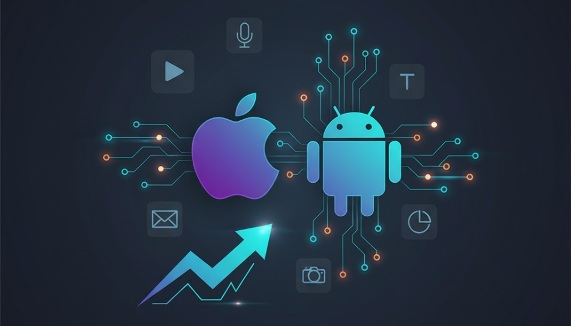
Cross-platform compatibility also poses difficulties. Android and iOS devices handle media differently, and developers must account for these variations to deliver a consistent experience. This often increases development time and costs, especially for feature-rich DualMedia apps.
Lastly, accessibility is a major concern. DualMedia applications must be designed with all users in mind, including those with visual or hearing impairments. Providing captions, screen reader support, and adjustable media controls is not just good practice but a necessity for modern applications.
The Future of Application Mobile DualMedia
Looking ahead, the future of Application Mobile DualMedia appears extremely promising. As technologies like artificial intelligence and augmented reality continue to evolve, DualMedia applications will become even more interactive and personalized. AI-driven media recommendations and adaptive content layouts will redefine how users interact with mobile apps.
Voice interaction is expected to play a larger role as well. Combining voice commands with visual and textual feedback will create hands-free, intuitive experiences that feel natural and efficient. This evolution will further blur the line between different media types, making applications more fluid and responsive.
Another exciting development is the integration of real-time collaboration features. DualMedia apps may allow users to watch, listen, and interact together simultaneously, regardless of location. This will open new possibilities for remote work, virtual learning, and social engagement.
Ultimately, Application Mobile DualMedia represents a shift toward holistic mobile experiences. Instead of designing apps around a single function, developers are now creating ecosystems that adapt to how people actually consume information.
Final Thoughts on Application Mobile DualMedia
Application Mobile DualMedia is more than just a technical trend; it is a response to evolving user expectations. By combining multiple media formats into one seamless experience, DualMedia applications offer clarity, engagement, and flexibility that traditional apps simply cannot match.
For businesses, developers, and content creators, embracing this approach means staying relevant in a competitive digital landscape. For users, it means enjoying smarter, more intuitive mobile experiences that respect their time and preferences.
As mobile technology continues to advance, Application Mobile DualMedia will likely become the standard rather than the exception. Those who understand and adopt it early will be better positioned to lead the next generation of mobile innovation.