Lake Texoma Should Be Capitalized: The Correct Way to Write It Explained by an Expert

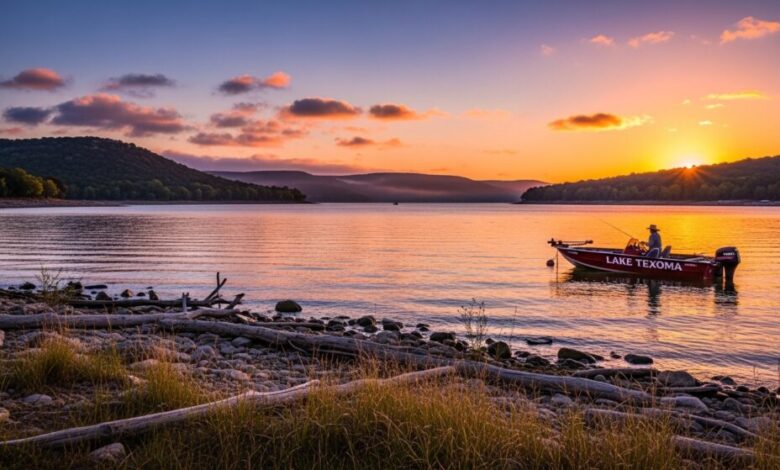
Lake Texoma Should Be Capitalized When it comes to grammar, capitalization can feel confusing—especially with place names. One question that surprisingly comes up a lot is: Lake Texoma should be capitalized or not? If you’ve ever written an article, blog post, school assignment, or even a social media caption and paused at this exact question, you’re not alone.
The short answer is yes, Lake Texoma should be capitalized, but the real value lies in understanding why. In this detailed guide, we’ll break down the rules, exceptions, common mistakes, and real-world usage so you can confidently write it the correct way every time. This article is written casually, but with expert-level clarity, so it’s easy to understand and accurate.
Why Lake Texoma Should Be Capitalized in Formal and Casual Writing
Capitalization rules exist to bring clarity and consistency to language. When we talk about Lake Texoma, we’re referring to a specific, officially recognized geographic location. That alone is the strongest reason why Lake Texoma should be capitalized in nearly all contexts.
Proper nouns—names of specific people, places, or things—are always capitalized in English. Lake Texoma is a proper noun because it refers to a unique lake located on the border of Texas and Oklahoma. It’s not just any lake; it’s that lake. Because of this distinction, capitalization is required.
Another reason Lake Texoma should be capitalized is recognition. Capital letters signal importance and specificity. When readers see “Lake Texoma,” they immediately recognize it as a known destination, not a general body of water. Writing it in lowercase can make your content look unprofessional or grammatically incorrect.
Lastly, consistency matters. Whether you’re writing a travel article, an academic paper, or a blog post, using proper capitalization shows attention to detail. Experts, editors, and readers all notice when place names are treated correctly.
Understanding Proper Nouns: The Grammar Rule Behind Lake Texoma
To fully understand why Lake Texoma should be capitalized, you need to understand what proper nouns are. In grammar, proper nouns name specific, one-of-a-kind entities. This includes cities, countries, landmarks, and yes—lakes.
“Lake” by itself is a common noun. It becomes a proper noun when paired with a specific name. Once you add “Texoma,” the phrase transforms into a unique identifier. That’s when capitalization becomes mandatory.
For example, compare these two sentences:
- We visited a lake during our trip.
- We visited Lake Texoma during our trip.
In the first sentence, “lake” is generic. In the second, “Lake Texoma” names a specific place. That difference explains exactly why Lake Texoma should be capitalized.
This rule applies across the board. Just like Lake Michigan, Lake Tahoe, or Lake Superior, Lake Texoma follows the same grammatical structure. There’s no special exception that lowers its capitalization status.
Is “Lake” Capitalized Too? Clearing Up Common Confusion
One of the most common misunderstandings is whether the word “lake” itself should be capitalized. The answer depends on how it’s used, but in the phrase Lake Texoma, both words must be capitalized.
When “lake” is part of an official place name, it becomes part of the proper noun. That’s why Lake Texoma should be capitalized in full. Writing “lake Texoma” is incorrect because it breaks the proper noun structure.
However, if you’re speaking generally, lowercase is fine. For example:
- The lake was crowded this weekend.
- There are many lakes in Texas.
In these cases, “lake” isn’t tied to a specific name. But once you attach Texoma, capitalization becomes necessary. This distinction is essential for clear and correct writing.
Understanding this rule will help you avoid awkward errors and make your writing appear polished and professional.
Why Lake Texoma Should Be Capitalized in Academic Writing
In academic and research writing, capitalization rules are taken very seriously. Professors, editors, and reviewers expect geographical names to be formatted correctly. That’s another strong reason why Lake Texoma should be capitalized at all times in scholarly work.
Academic style guides like APA, MLA, and Chicago Manual of Style all agree on this rule. Proper nouns, including named bodies of water, must be capitalized consistently throughout the text. Failing to do so can reduce credibility.
Consistency is especially important in long papers. If you capitalize Lake Texoma once and then write “lake texoma” later, it looks careless. Experts notice these details, and they matter more than people realize.
If you’re a student or researcher, always capitalize Lake Texoma in titles, headings, citations, and body text. It ensures clarity and aligns with standard academic expectations.
How Media and Travel Writers Handle Lake Texoma Capitalization
Professional journalists and travel writers almost universally agree that Lake Texoma should be capitalized. If you look at newspapers, magazines, or travel blogs, you’ll notice consistent capitalization across articles.
This is because media writing follows strict editorial guidelines. Editors are trained to treat place names as proper nouns. Writing “Lake Texoma” in lowercase would almost certainly be corrected before publication.
Travel writing, in particular, relies on clear location names. Readers need to know exactly where a place is. Capitalizing Lake Texoma gives it identity and helps establish it as a destination rather than a vague reference.
For bloggers and content creators, following this standard makes your content look more authoritative. It shows that you understand the basics of grammar and respect the subject you’re writing about.
Common Mistakes People Make When Writing Lake Texoma
Despite the clarity of the rule, mistakes still happen. One common error is capitalizing only “Texoma” and leaving “lake” lowercase. This often comes from misunderstanding how proper nouns work.
Another frequent mistake is inconsistent capitalization. Writers may capitalize Lake Texoma in a title but write it in lowercase in the body text. This inconsistency can confuse readers and weaken the overall quality of the writing.
Some people also assume capitalization doesn’t matter in casual writing. While it’s true that informal messages allow more flexibility, consistently lowercase place names still look sloppy. Even in casual content, Lake Texoma should be capitalized for clarity and correctness.
Avoiding these mistakes is simple once you understand the rule. Treat Lake Texoma as a complete proper noun every time you write it.
Does Lake Texoma Ever Not Need Capitalization?
This is a fair question, and the answer is almost always no. In nearly all contexts, Lake Texoma should be capitalized. The only time you wouldn’t capitalize it is in very informal shorthand or stylistic writing, such as personal notes or text messages.
Even then, lowercase usage isn’t grammatically correct—it’s just socially accepted in ultra-casual communication. If you’re writing anything meant to be read by others publicly, capitalization is the right choice.
Poetry or creative writing may sometimes bend rules for artistic reasons, but that’s a stylistic exception, not a grammatical one. Outside of those rare cases, capitalization remains the standard.
When in doubt, capitalize. It’s always safer and more correct.
SEO and Professional Writing: Why Capitalization Still Matters
In digital writing, some people believe capitalization doesn’t matter as much because search engines focus on keywords. While search engines are case-insensitive, readers are not. That’s why Lake Texoma should be capitalized in professional and SEO-focused content.
Proper capitalization improves readability and trust. When users see well-written content, they’re more likely to stay on the page, share it, and view it as reliable. Small details like capitalizing place names contribute to that perception.
From an SEO perspective, consistent formatting also helps maintain clarity. While “lake texoma” and “Lake Texoma” may rank similarly, the capitalized version looks more authoritative and polished to human readers.
In short, capitalization won’t hurt your SEO—but failing to do it might hurt your credibility.
Final Thoughts: Lake Texoma Should Be Capitalized Every Time
To wrap it up clearly and confidently: Lake Texoma should be capitalized in formal writing, casual writing, academic papers, blog posts, and professional content. It is a proper noun, a specific geographic location, and deserves consistent capitalization.
Understanding this rule isn’t just about grammar—it’s about communication. Capitalizing Lake Texoma helps readers instantly recognize the place, improves clarity, and reflects well on the writer.
If you remember one thing from this article, let it be this: whenever you write the name of this well-known lake, capitalize both words. It’s simple, correct, and universally accepted.